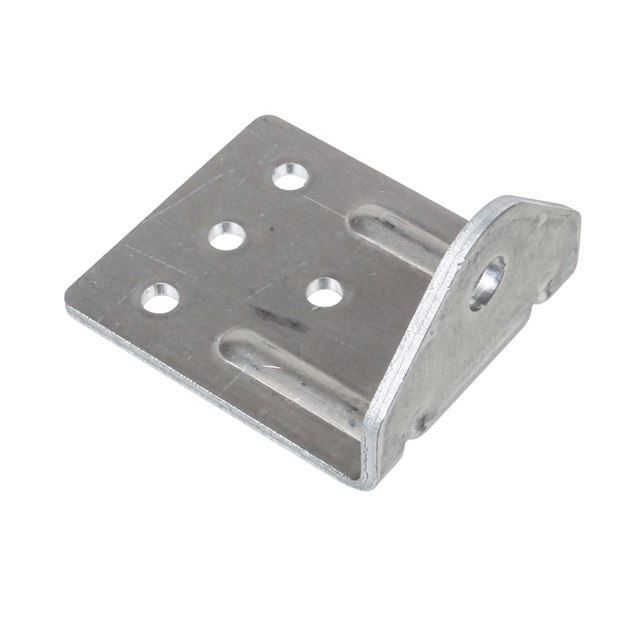
Five axis machined products
One-stop solution for Sheet Metal Fabrication & CNC Machining - Bergek CNC
Sheet metal bending is the metal plate through the pressure equipment and special mold, the flat sheet into a three-dimensional processing process called bending. Due to different materials, thickness, length, the width of the plate, and the shape of different shapes and angles, so there are different tonnage and sizes of the bending machine pressure equipment, with different heights, shapes, and V amplitude sizes of the upper and lower die with its special shape of the special mold.
Our metal bending service delivers precision three-dimensional forming across diverse materials and thicknesses using servo and hydraulic press brakes with multi-axis digital controls, specialized upper/lower dies (V‑widths matched to material) and options for partial, close, and embossing bends. Functionally, it reshapes and strengthens flat sheet into finished parts for enclosures, cabinets, HVAC shells and automotive panels with CNC accuracy, integrated welding and surface finishes (powder coat, plating, chromate or oxidation), supporting prototypes, small batches and mass production with rapid online quoting. Built for flexibility, the process offers customizable tonnage, die geometries and axis counts (4/8/12) to meet tight tolerances, while 24/7 online support and fast quotes speed time‑to‑market for bespoke metal bending service orders.
Our skilled engineering and fabrication team combines decades of metalworking experience with advanced CNC bending equipment to deliver precision, repeatability, and rapid turnaround. Cross-functional technicians, designers, and quality engineers collaborate to optimize material use, minimize set-up time, and ensure consistent tolerances across small or large runs. Dedicated project managers provide fast, transparent quotes and single-point communication to accelerate decision-making. Continuous training, process documentation, and in-line inspection maintain reliability while enabling custom prototypes and production batches. The result: dependable delivery, reduced rework, and cost-effective outcomes that let customers bring complex bent-metal components to market faster with measurable quality and service guarantees.
Our cross-functional team combines seasoned metal-forming engineers, certified press brake operators, CAD designers, and dedicated quality inspectors to deliver precision bends and rapid quotes. With decades of collective experience and ongoing training, we translate complex blueprints into repeatable, dimensionally accurate parts using industry-leading controls and best practices. Value comes from our responsiveness, scalable capacity, and proactive problem-solving: fast, transparent quotes, consistent tolerances, and streamlined communication reduce lead times and costs. Committed to continuous improvement and on-time delivery, our team ensures each custom bending project meets specification, budget, and schedule—so customers get reliable, manufacturable results from prototype to production and scalability.
Sheet metal bending is the metal plate through the pressure equipment and special mold, the flat sheet into a three-dimensional processing process called bending. Due to different materials, thickness, length, the width of the plate, and the shape of different shapes and angles, so there are different tonnage and sizes of the bending machine pressure equipment, with different heights, shapes, and V amplitude sizes of the upper and lower die with its special shape of the special mold.
Bending processing is divided into three categories: partial bending, dense bending, and embossing bending.
Part of the bending is 88 degrees; The following upper die, V= 12T (V represents the width of the slot, T represents the thickness of the material) of the lower die for right Angle, obtuse bending method. Close bending is 90 degrees; On the Right Angle and the obtuse bending method. Close bending selection V=6~ 12T. Embossing bending is 90 degrees; The upper die for right-angle bending. (is a standard right-angle bending) embossing bending die selection V=5~ 6T.
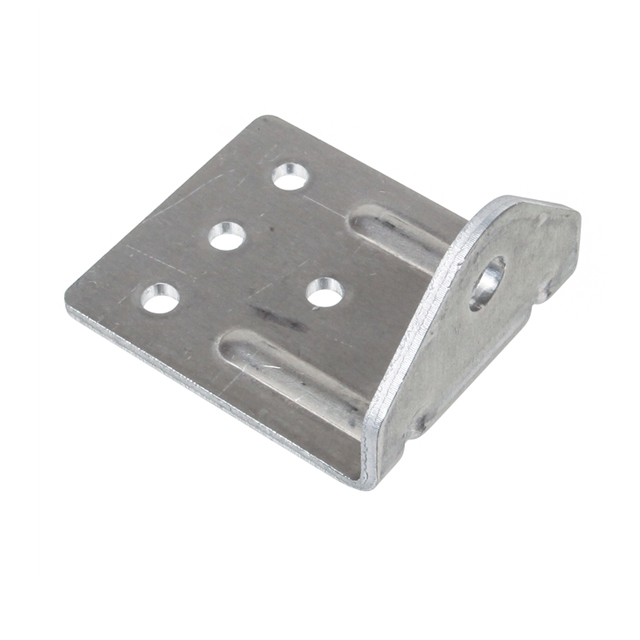
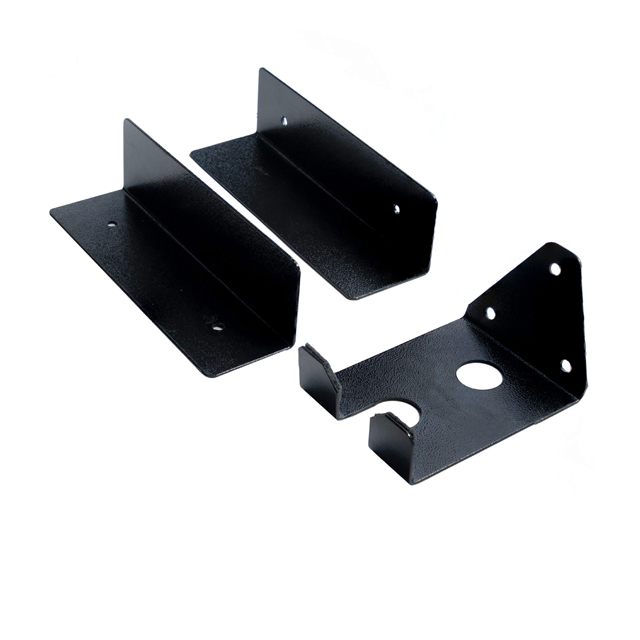
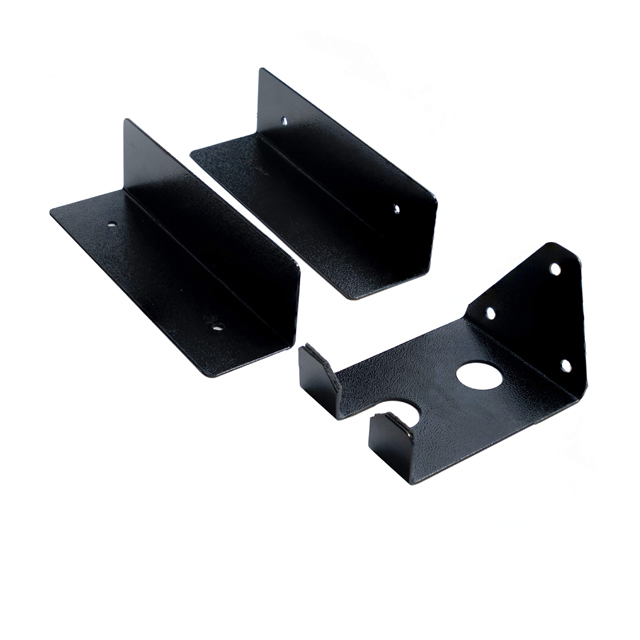
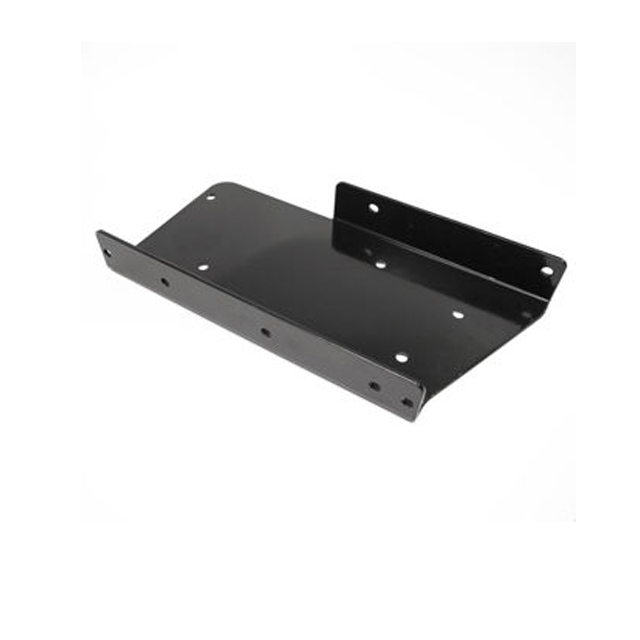
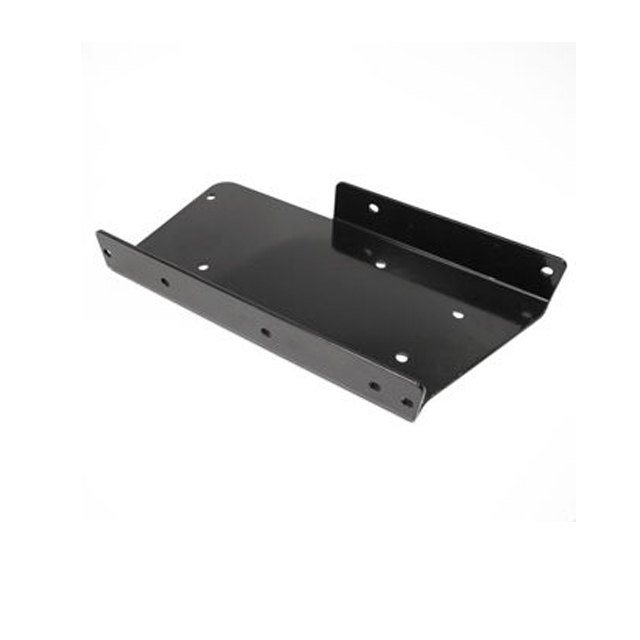
At present, there are many kinds of bending machines for sheet metal processing, which can be divided into mechanical (servo motor) and hydraulic types according to the way of rotation. The control system can be divided into simple manual bending machines, ordinary domestic digital positioning bending machines, and process control digital full-function bending machines. According to the action, the part can be divided into 4 axes, 8 axes, and 12 axes bending machines.
Sheet metal fabrication as the name implies is to uses sheet metal processing according to the demand to do needed items. There are a computer case cabinet, TV backplane, car shell, air conditioner shell, terminal integrated case, charging pile box, and so on.
1. Blanking:
There are a variety of blanking methods, refer to the workpiece after laser cutting or CNC punch cutting, shearing machine process. CNC blanking and laser cutting blanking can be used for thick and complex plate workpieces; the Shearing machine can be cut out of the larger shape of the workpiece length and width size; the Punch press can batch use punch press will workpiece shape and hole processing.
2, smoke hole
Hole pumping also called flanging, refers to the use of a die in the ordinary press or other stamping equipment on the workpiece to form a round hole edge up the process. Is in the pre-punch hole into a specified size the hole, so that the workpiece can tap teeth with more strength, generally used in the thickness of 1.5mm plate on the workpiece.
3, pressure riveting
Generally refers to the use of punch or hydraulic riveting machine riveting studs, riveting nuts, riveting screws, and other firmly riveting pressure on the workpiece process.
4, bending
Bending is the process of forming the workpiece by the bending machine with the bending bed and the related bending mold, which can strengthen the strength of the workpiece.
5, welding
Common welding processing types are two protection welding, argon arc welding, electric welding, robot welding, touch welding, etc., the process is mainly to two or more two parts together, to achieve the purpose of finished products or assembly accessories processing; Or the edge seam of a single part needs to be welded so that the bending edge is precise to increase the strength of the folding.
6, surface treatment
The surface treatment has phosphating skin film spraying powder, electroplating colorful zinc, chromate, paint, oxidation, and so on. After phosphating skin film, the workpiece can be electrostatic powder spraying, which is suitable for cold-rolled sheets and galvanized sheets. Electroplating colorful zinc is generally used for surface treatment of cold-rolled plates and machined parts; Chromate and oxidation are generally used for surface treatment of aluminum and aluminum profiles. Surface treatment is to make the sheet metal parts as a whole look beautiful and play a protective role in themselves, the specific surface treatment is based on customer material requirements.

Bergek CNC is a world-class manufacturing service provider in Shenzhen. We have advanced equipment to provide a full range of customized products to manufacturers around the world, specializing in CNC machining and sheet metal processing.
If you have any question,please contact us.

Copyright © 2026 SHENZHEN BERGEK TECHNOLOGY CO., LTD. - www.bergekcnc.com All Rights Reserved.