One-stop solution for Sheet Metal Fabrication & CNC Machining - Bergek CNC
Language
One-stop solution for Sheet Metal Fabrication & CNC Machining - Bergek CNC
For any structural part, it has a certain processing process. First the sheet metal fabrication plant parts design and draw drawings, the structure of the expression; Then the complex structure of the parts into a shape and easy to process the hole of the workpiece. Next to the processing link, according to the differences in sheet metal parts structure, the sheet metal process is different, summarize the following points.
The sheet metal bending process is crucial in the creation of structural parts. It involves various steps such as blanking, flanging, pressure riveting, bending, welding, surface treatment, and assembly. These processes ensure the production of high-quality and durable sheet metal components. Each step is essential in transforming raw materials into finished products through precision and attention to detail.
At Sheet Metal Bending Processes, we are a trusted leader in manufacturing high-quality sheet metal products through precision bending processes. With years of experience and expertise, our team is dedicated to delivering top-notch services to meet the needs of our customers. We pride ourselves on our commitment to quality, innovation, and customer satisfaction. Our state-of-the-art technology and skilled professionals ensure that each product is crafted with precision and accuracy. Trust us to provide superior sheet metal bending solutions that exceed your expectations. Experience the excellence of Sheet Metal Bending Processes for all your sheet metal fabrication needs.
Our company is a leading provider of sheet metal bending processes, offering high-quality services to meet all your bending needs. With years of experience and expertise in the field, we pride ourselves on delivering precise and accurate bending solutions for a wide range of industries. Our team of skilled technicians is dedicated to providing top-notch customer service and ensuring that every project is completed to the highest standards. Trust us to handle your sheet metal bending with precision and efficiency, guaranteed to exceed your expectations every time. Choose us for all your bending needs and experience the difference in quality and service.
For any structural part, it has a certain processing process. First the sheet metal fabrication plant parts design and draw drawings, the structure of the expression; Then the complex structure of the parts into a shape and easy to process the hole of the workpiece. Next to the processing link, according to the differences in sheet metal parts structure, the sheet metal process is different, summarize the following points.
1. Blanking. There are many ways of blanking, mainly the following four ways: cutting bed blanking. It is the use of a cutting machine to cut out the length and width of the outline of the diagram. Only the maximum size of the workpiece can be cut out; Punch blanking. Is the use of punch to its shape and hole processing, mass production punch blanking has more advantages;
There are two kinds of CNC blanking, the workpiece made of high precision: CNC number punching blanking and laser blanking. The former is more suitable for the sheet under a 3.0mm plate, the latter is suitable for a more complex structure of the workpiece and a thicker sheet workpiece
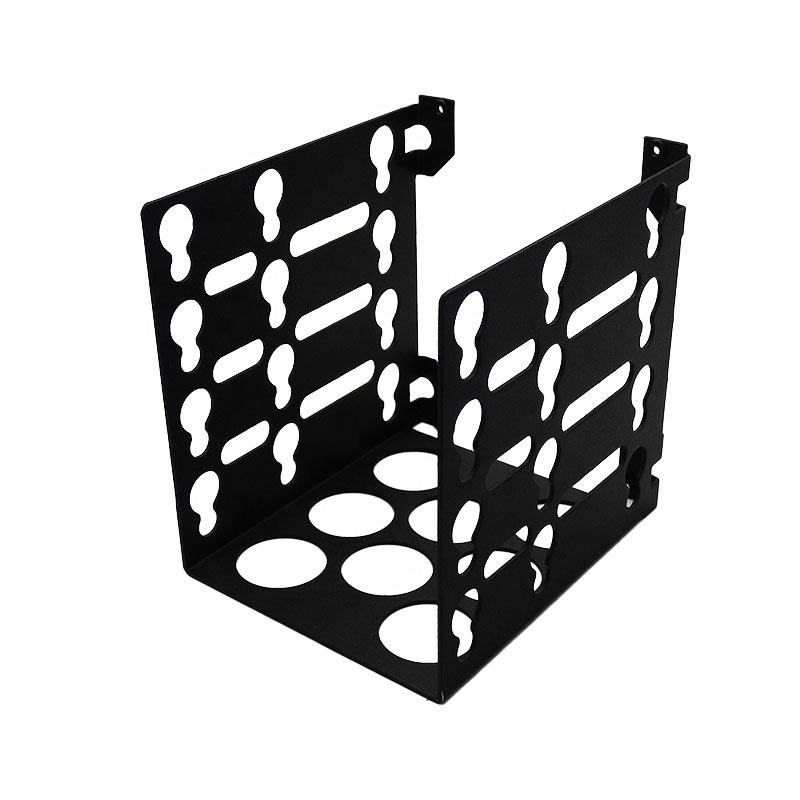
2. Flanging. Flanging is also called turning hole, hole extraction is to draw a specified size hole on the pre-punching, the sheet metal process can make the workpiece tapping teeth more strength, suitable for the thickness of the plate below 1.5mm workpiece
3. Pressure riveting. Pressure riveting commonly uses studs, nuts, screws, etc., pressure riveting can be riveted to the sheet metal parts through the punch or pressure riveting machine.
4. Bending. Bending is to strengthen the strength of the workpiece. Its processing needs a folding bed and related bending die to complete.
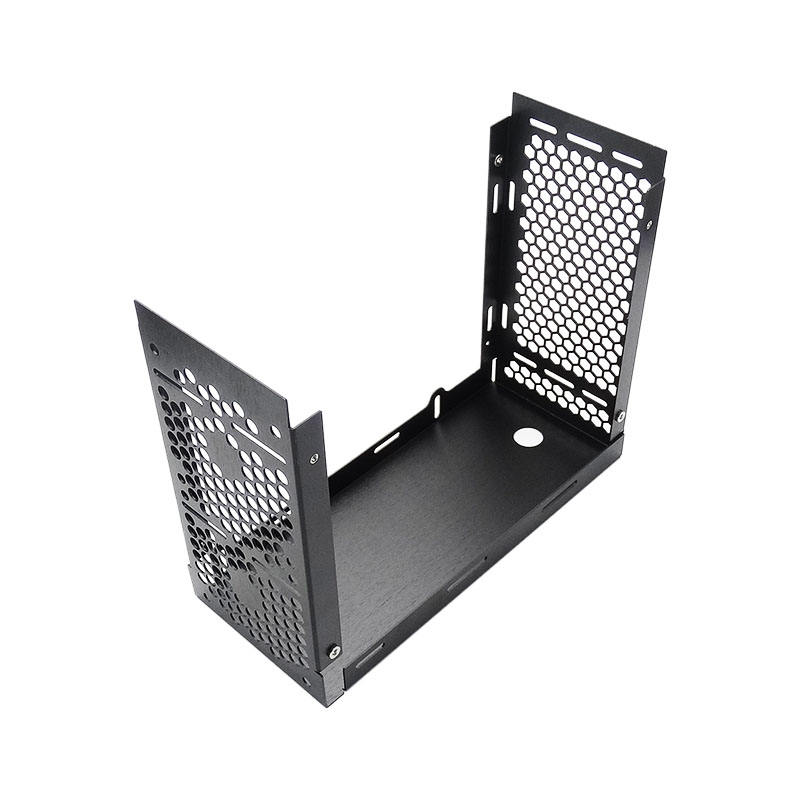
5. Welding. Welding is welding 2 or more 2 parts together to achieve the purpose of processing, Or the edge seam of a single part should be welded to increase the strength of the hem. Its processing types are two-protection welding, argon arc welding, electric welding, robot welding, and collision welding, etc.
6. Surface treatment. Surface treatment has phosphating film, electroplating colorful zinc, chromate, paint, oxidation, etc. Phosphating film is suitable for cold-rolled plates and electrolytic plates; Electroplating colorful zinc is generally used for the surface treatment of cold-rolled plates and machined parts; Chromate, oxidation is generally used for the surface treatment of aluminum and aluminum profiles; The specific surface treatment is based on customer material requirements.
7. Assembly: It is to put multiple parts or components together according to the requirements of the drawing to make it into a complete part. The assembled parts may be finished or semi-finished
Bergek CNC is a world-class manufacturing service provider in Shenzhen. We have advanced equipment to provide a full range of customized products to manufacturers around the world, specializing in CNC machining and sheet metal processing.
If you have any question,please contact us.

Copyright © 2026 SHENZHEN BERGEK TECHNOLOGY CO., LTD. - www.bergekcnc.com All Rights Reserved.