One-stop solution for Sheet Metal Fabrication & CNC Machining - Bergek CNC
Language
One-stop solution for Sheet Metal Fabrication & CNC Machining - Bergek CNC
Sheet metal material selection during product design affects the design, manufacturing process, cost and performance of sheet metal parts. This article will take a detailed look at the different materials used in sheet metal processing, focusing on their characteristics, benefits, and possible uses.
Factors affecting sheet metal material selection
The selection of sheet metal materials is an iterative process. After the material is selected, it needs to be verified and tested according to the product design requirements
There are a variety of materials on the earth. Each material has its advantages, limitations and application range. The functional and aesthetic requirements of the product and the cost will affect the selection of sheet metal materials. When choosing sheet metal thickness and material type, you should consider the following factors.
The influence of materials on sheet metal processing technology
There are 3 main types of sheet metal processing: punching, bending, and stretching. Different processing technologies have different requirements for sheets. The selection of sheet metal materials should also consider the selection of sheets according to the general shape of the product and the processing technology.
The influence of materials on punching processing
Punching requires that the sheet should have sufficient plasticity to ensure that the sheet does not crack during punching. Soft materials (such as pure aluminum, rust-proof aluminum, brass, copper, low-carbon steel, etc.) have good punching performance, and after punching, parts with smooth cross-section and small inclination can be obtained;
Hard materials (such as high-carbon steel, stainless steel, hard aluminum, super-hard aluminum, etc.) have poor quality after punching, and the cross-section is uneven, which is particularly serious for thick plates. For brittle materials, tearing is easy to occur after punching, especially when the width is very small.
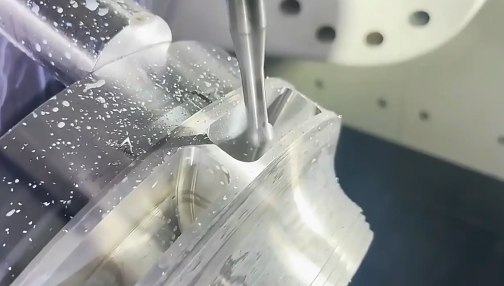
The influence of materials on bending processing
The plates that need to be bent should have sufficient plasticity and low yield limit. Plates with high plasticity are not easy to crack when bent. Plates with low yield limit and low elastic modulus have small rebound deformation after bending, and it is easy to obtain a bending shape with accurate dimensions. Materials with good plasticity such as low carbon steel, brass and aluminum with a carbon content of less than 0.2% are easy to bend and form; materials with greater brittleness, such as phosphor bronze (QSn6.5~2.5), spring steel (65Mn), hard aluminum, super hard aluminum, etc., must have a larger relative bending radius (r/t) when bending, otherwise they are prone to cracking during the bending process.
Pay special attention to the selection of the hard and soft state of the material, which has a great influence on the bending performance. For many brittle materials, bending will cause cracking of the outer corners or even bending fractures. For some steel plates with a high carbon content, if the hard state is selected, bending will also cause cracking of the outer corners or even bending fractures. These should be avoided as much as possible.
The influence of materials on stretching processing
The stretching of the sheet, especially deep stretching, is one of the more difficult sheet metal processing processes. It not only requires the depth of stretching to be as small as possible, the shape to be as simple as possible, and the transition to a smooth transition, but also requires the material to have good plasticity. Otherwise, it is very easy to cause overall distortion and deformation of the parts, local wrinkling, and even cracking of the stretching part. The yield limit is low and the plate thickness directivity coefficient is large. The smaller the yield strength ratio σs/σb of the sheet material, the better the stamping performance and the greater the limit of one-time deformation. When the plate thickness directivity coefficient is >1, deformation in the width direction is easier than deformation in the thickness direction. The larger the R value of the tensile fillet, the less likely it is to produce thinning and fracture during the stretching process, and the better the tensile performance.
Common materials with good tensile properties are: aluminum sheet, 08Al, ST16, SPCD.
Sheet Metal Material selection Example 1
For example, if you select a 1 mm thick GI steel sheet for an application. After the material is selected, you should perform structural design calculations and structural simulations to verify the material. If the verification results are within an acceptable range, you can consider using the material.
But if the part weight exceeds the acceptable limit, the next step is to find an alternative material with a higher weight strength (aluminum, stainless steel, titanium, etc.). After that, you should perform a verification test on the newly selected material.
If the verification test results and material cost are within an acceptable range, you can select the material.
Sheet Metal Material selection Example 2
For example, if you select GI steel material. However, during the validation test, the product failed the salt spray test. You can choose another material with higher corrosion resistance (aluminum-zinc alloy, galvanized zinc, or steel) or change the surface treatment.
Commonly used metals in sheet metal fabrication
In sheet metal fabrication, different metals are suitable for different functions due to their different properties. Aluminum, mild steel, stainless steel, carbon steel, and various metal alloys are the most common materials used for this purpose. Mild steel is often selected for its weldability and cost-effectiveness, making it a preferred material in construction and manufacturing. Lightweight structures and applications that require corrosion resistance generally prefer aluminum. Galvanized steel is often used outdoors for better corrosion resistance. Kitchen equipment and other equipment that requires a high level of sanitation standards rely on stainless steel, while electrical enclosures and wires that require high conductivity make extensive use of copper. Understanding the properties of these metals helps professionals make informed choices during manufacturing.
Below are some of the commonly used sheet metal materials in the industry.
1. Cold-rolled steel sheet
2. Hot-dip galvanized steel sheet
3. Stainless steel
4. Aluminum and aluminum alloys
5. Copper and copper alloys
Different Sheet Metal Panels Performance Comparison
| Materials | Price coefficient | Lap resistance | CNC punch processing performance | Laser processing performance | Bending performance | Stretch rivet nut processability | Pressure rivet nut processability | Surface spraying | Incision protection performance |
| Cold-rolled steel sheet | 1.8 | 27 | Good | Good | Good | Good | Good | Average | Worst |
| Hot-dip galvanized steel sheet | 1.2 | 26 | Good | Good | Good | Good | Good | Average | Bad |
| Stainless steel | 1.3 | 26 | Bad | Good | Average | Good | Bad | Bad | Good |
| Aluminum and aluminum alloys | 1.4 | 23 | Good | Bad | Good | Good | Good | Average | Bad |
| Copper and copper alloys | 5.6 | / | Good | Bad | Bad | Good | Good | Average | Good |
Comparing sheet metal materials: advantages and disadvantages
When evaluating sheet metal materials, it is important to consider their respective advantages and disadvantages in order to make an informed choice based on the project needs.
Cold-rolled steel sheet
It is a steel sheet made from hot-rolled strips of ordinary carbon structural steel, which is further cold-rolled to a thickness of less than 4mm. Since rolling at room temperature does not produce iron oxide scale, cold plate has good surface quality and high dimensional accuracy. In addition, after annealing, it is widely used in the field of home appliance manufacturing. Applicable grades: Q195, Q215, Q235, Q275
Advantages: very strong and durable, a variety of grades are available, and the price is low.
Disadvantages: easy to rust without coating; heavier than other options.
Hot-dip galvanized steel plate
Hot-dip galvanized metal coating plate contains cold-rolled solid steel plate with iron-zinc alloy and pure zinc coating, with a thickness of 0.25~2.5mm. Galvanized steel is an inexpensive solution that uses a protective zinc coating to effectively protect the base metal from corrosive elements, especially in humid conditions. Hot-dip galvanized steel has a longer service life than untreated carbon steel.
Advantages: Strong corrosion resistance, zinc coating protects underlying steel from corrosion
Disadvantages: Appearance may not be as smooth as stainless steel
Electro-galvanized steel sheet
Electro-galvanized steel sheet, or "electrolytic sheet", refers to the process of continuous deposition of zinc from a water-based solution of zinc salts onto a pre-prepared steel strip under the action of an electric field on an electro-galvanizing line.
Advantages: High corrosion resistance and strength, zinc coating can add years of weatherproof protection
Disadvantages: Due to the galvanizing process, the upfront cost of galvanized steel may be higher
Stainless steel
Stainless steel is arguably the best sheet metal material. It combines durability and attractiveness to rank among the best on the market. Stainless steel contains 13% chromium, nickel, and molybdenum. There are many types of stainless steel, including SS-304 SS-304-L SS-304-H SS-316. Each type has specific properties that make it suitable for different applications.
Advantages: Corrosion resistance and strength meet hygienic standards, while the beautiful surface adds aesthetic value
Disadvantages: Toughness is usually more expensive and different grades are difficult to use, which leads to confusion when choosing.
Aluminum and aluminum alloys
There are three main types of aluminum and aluminum alloy plates commonly used: rust-resistant aluminum 3A21, rust-resistant aluminum 5A02 and hard aluminum 2A06.
Advantages: Light weight, excellent corrosion resistance, good thermal conductivity and ease of manufacturing are all key characteristics of metal plate design.
Disadvantages: Lower strength than steel, higher cost, and may require additional support for structural applications.
Brass and Brass alloys
Brass H62, a high-zinc brass, has high strength and excellent cold and hot workability, and is easy to use for various forms of press working and cutting.
Advantages: The best conductor of electricity and heat, while also preventing rust.
Disadvantages: They are not as strong as steel, but the purer forms are more expensive, so they are not popular, especially when used in construction sites where buildings are expected to experience high stresses.
In summary
There are many types of sheet metal materials, and the final choice of material depends on the functional requirements and cost constraints of the product. Click this link to learn about various sheet metal design guidelines.
We will continue to update the details of sheet metal materials. Please add your opinions or questions about sheet metal material selection in the comment box.
Bergek CNC Sheet Metal Fabrication Services
When it comes to sheet metal fabrication services, Bergek CNC is your reliable choice for precision and quality. Why choose Bergek CNC? We are experts in the field and can transform your ideas into perfectly crafted metal products.
Bergek CNC stands out for its skilled team and cutting-edge technology. Every project, no matter how big or small, will receive the attention it deserves. Need something customized? We can meet your needs and provide solutions that suit your unique needs.
Our team uses the latest technology to ensure that your metal parts meet the highest standards. In addition, we are forward-thinking and embrace environmentally friendly practices. Bergek CNC has a good record of reliability in the field of sheet metal fabrication. Countless satisfied customers prove our ability to exceed expectations. Bergek CNC is your reliable partner no matter how big or small the project is. Price consultation!
Frequently Asked Questions (FAQs)
Q: What materials are commonly used in sheet metal fabrication?
A: Aluminum, mild steel, stainless steel, carbon steel, and various metal alloys are the most common materials used for this purpose. These materials are selected based on their properties, such as strength or corrosion resistance.
Q: How do I choose a sheet metal for my project?
A: When selecting a sheet metal, factors such as its required strength, workability, corrosion resistance, and price need to be considered. The specific application and environmental conditions will also have a great impact on your choice.
Q: What are the standard sizes of sheet steel?
A: Standard sizes are those that determine the usability of the metal fabrication process. Some widely accepted sizes include, but are not limited to, 36 x 96 inches, 48 x 120 inches, and 60 x 144 inches. Custom sizes can be ordered from manufacturers who specialize in these materials.
Q: When should cold rolled steel be used?
A: Cold rolled sheet refers to sheet that has been rolled at room temperature so that it does not lose hardness or strength. This sheet is widely used in areas that require high-precision dimensional tolerances, smooth surface finishes, and enhanced mechanical properties, such as automotive electrical components. Cutting must also be performed here.
Q: Why is aluminum sheet popular in many industries?
A: The aerospace and automotive manufacturing sectors often use this material due to its light weight, high strength, excellent corrosion resistance, and easy handling during the manufacturing process.
Q: What different factors determine the quality of sheet metal manufacturing?
A: The type of metal, the precision of the cuts (such as laser cutting), and the expertise of the forming process used by the sheet metal manufacturer will greatly affect the quality.
Q: How does thickness affect the material selection for sheet metal?
A: Thickness affects the choice of material during the sheet metal forming process, depending on its intended use. Structural parts that require high strength often use thick metal, while flexible applications that require easy forming may require thin metal.
Q: What role does the zinc coating on the metal sheet play?
A: A zinc coating on steel sheets prevents rust, especially when moisture accelerates oxidation.
Q: Can different types of alloys be mixed in a project involving sheet metal?
A: Yes, welding or fastening can include different alloys within one workpiece. For example, you can use stainless steel together with aluminum because they have different properties and resistances.
Get In Touch With Us!
Bergek CNC is a world-class manufacturing service provider in Shenzhen. We have advanced equipment to provide a full range of customized products to manufacturers around the world, specializing in CNC machining and sheet metal processing.
If you have any question,please contact us.

Copyright © 2026 SHENZHEN BERGEK TECHNOLOGY CO., LTD. - www.bergekcnc.com All Rights Reserved.