One-stop solution for Sheet Metal Fabrication & CNC Machining - Bergek CNC
Language
One-stop solution for Sheet Metal Fabrication & CNC Machining - Bergek CNC
Aluminum CNC machining is a cornerstone of modern manufacturing, enabling the creation of precise and complex parts with incredible efficiency.
Aluminum CNC machining is a cornerstone of modern manufacturing, enabling the creation of precise and complex parts with incredible efficiency. This process, which utilizes computer-controlled machines to shape aluminum stock material, is critical for industries ranging from aerospace to electronics.
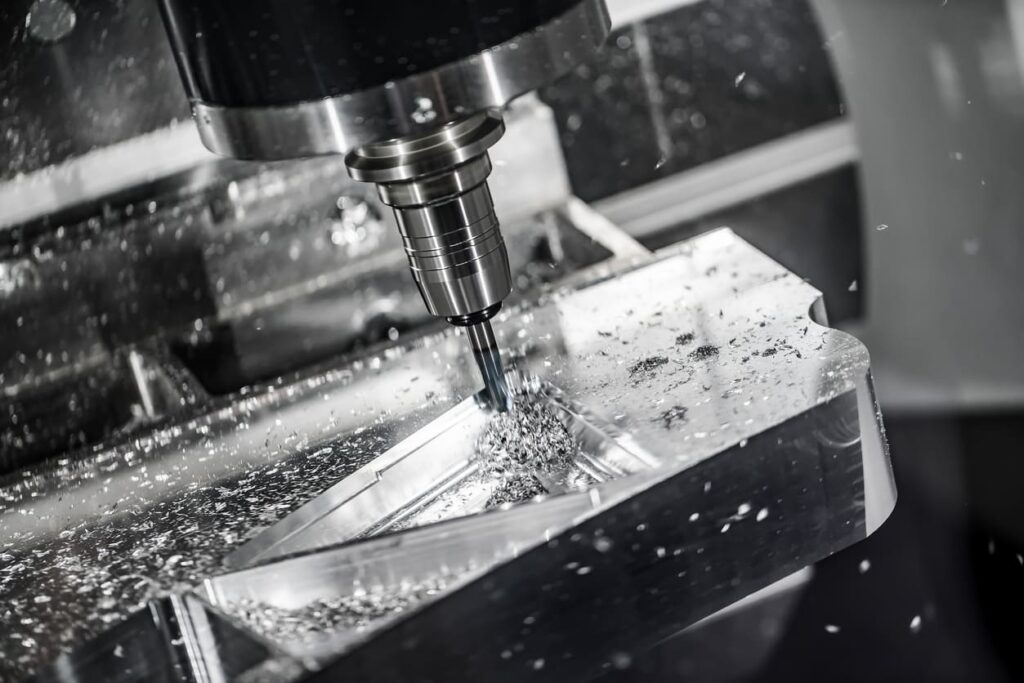
Aluminum CNC machining might seem like magic – you feed a block of metal into a machine and out pops a perfectly formed part. But there's a lot more to it than meets the eye. Let's break down the key processes involved.
Before any machining takes place, you need a detailed blueprint. This is where Computer-Aided Design (CAD) software comes in. Think of it as the architect's plan for your part. CAD software allows you to create a 3D model with precise dimensions and specifications. This digital design guides the CNC machine, telling it exactly where to cut, drill, and shape the aluminum.
Once you have your CAD model, it's time to translate it into instructions the CNC machine can understand. This is the role of Computer-Aided Manufacturing (CAM) software. CAM software takes your 3D model and generates a set of coded instructions – think of it as the machine's recipe. This code tells the machine the exact path the cutting tools should follow, the speed and feed rates, and other critical parameters.
With the design finalized and the code generated, the action moves to the CNC machine. Here's where things get interesting. There are different types of CNC machines, each with its own specialties:
● CNC Milling: This is the workhorse for creating complex shapes and features. Rotating cutting tools carve away material, leaving behind your desired form.
● CNC Turning: Ideal for cylindrical parts, this process involves rotating the aluminum workpiece while a stationary tool shapes it.
● CNC Drilling: Need precise holes? This process uses rotating drills to create holes of various sizes and depths.
Straight off the CNC machine, your part might look a bit rough around the edges (literally!). This is where finishing processes come into play. These can include:
● Deburring: Removing any sharp edges or burrs left over from machining.
● Sanding and polishing: Smoothing out the surface for a refined look.
● Anodizing: Creating a protective and decorative oxide layer on the surface.
And there you have it – the journey of a block of aluminum transformed into a precision-machined component. But that's not all... let's explore why aluminum CNC machining is such a popular choice.
Aluminum CNC machining isn't just a high-tech way to shape metal; it offers some serious perks that make it a top choice for manufacturers across various industries. Here's why:
Imagine trying to carve a complex part by hand. Tricky, right? CNC machining takes human error out of the equation. Computer-controlled machines follow your design with incredible accuracy, resulting in parts that meet your exact specifications. This level of precision is essential for components that require tight tolerances and intricate details.
Need hundreds or even thousands of identical parts? Aluminum CNC machining delivers consistent results, every single time. Once the program is set, the machine produces each part with the same precision and quality. This repeatability is crucial for mass production and ensures that all your components fit together seamlessly.
Time is money, and CNC machining can help you save both. Compared to traditional manufacturing methods, CNC machining is significantly faster. Automated processes and optimized toolpaths reduce production time, allowing you to get your parts to market quickly.
Aluminum CNC machining isn't a one-trick pony. It can handle many complexities, from simple shapes to intricate designs with tight tolerances. Plus, it's compatible with various aluminum alloys, giving you flexibility in material selection.
CNC machining optimizes material usage, minimizing waste and reducing costs. Precise cuts and efficient toolpaths ensure that you get the most out of your aluminum stock. This not only saves money but also contributes to a more sustainable manufacturing process.
To ensure the success of your aluminum CNC machining projects, consider these expert tips for optimizing designs, enhancing efficiency, and achieving superior outcomes:
When designing your component, it's essential to consider the capabilities and constraints of the CNC machining process. Strive for designs that are conducive to machining, avoiding excessively complex geometries or features that may pose challenges. Streamlined designs often translate to faster production times and reduced costs.
● Pro Tip: Employ Design for Manufacturability (DFM) analysis tools to identify and address potential manufacturing issues early in the design phase.
The choice of aluminum alloy significantly impacts the machining process. Factors such as material strength, machinability, and corrosion resistance should be carefully evaluated when selecting an alloy for your project.
● Pro Tip: 6061 aluminum is a widely favored option due to its excellent machinability and versatility.
Efficient toolpaths are paramount for minimizing machining time and reducing overall project expenses. Utilize your CAM software to generate optimized toolpaths that reduce unnecessary machine movements and maximize cutting efficiency.
● Pro Tip: Explore high-speed machining techniques to achieve faster material removal rates.
Specify tolerances that are both realistic and align with your component's functional requirements. Excessively tight tolerances often necessitate increased machining time and elevated costs.
● Pro Tip: Leverage Geometric Dimensioning and Tolerancing (GD&T) to clearly and accurately define your tolerance requirements.
Maintaining open and consistent communication with your CNC machining partner is vital. Clearly communicate your design intent, engage in discussions regarding material options, and leverage their expertise to optimize your project.
● Pro Tip: Involve your machinist early in the design process to ensure manufacturability and mitigate the risk of costly design revisions.
Aluminum CNC machining is a versatile and efficient method for producing high-quality parts with intricate designs and tight tolerances. By understanding the core processes involved, recognizing the inherent advantages, and implementing expert optimization tips, you can leverage this technology to its fullest potential.
Ready to explore how aluminum CNC machining can benefit your next project?
Get In Touch With Us!
Bergek CNC is a world-class manufacturing service provider in Shenzhen. We have advanced equipment to provide a full range of customized products to manufacturers around the world, specializing in CNC machining and sheet metal processing.
If you have any question,please contact us.

Copyright © 2026 SHENZHEN BERGEK TECHNOLOGY CO., LTD. - www.bergekcnc.com All Rights Reserved.