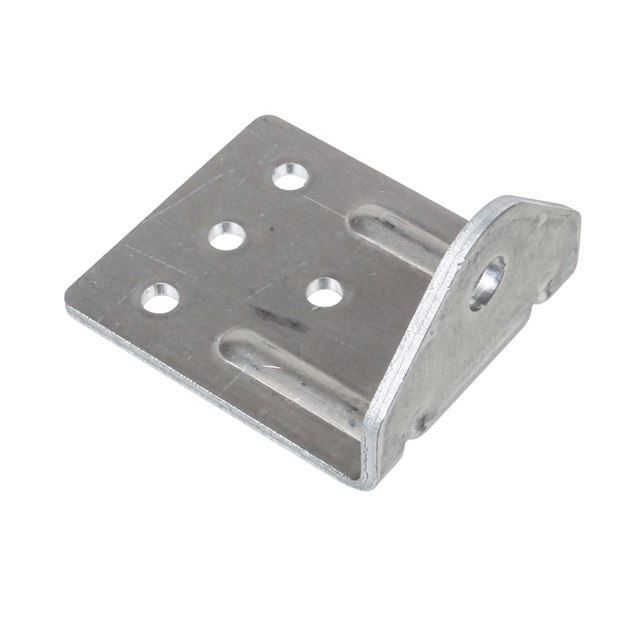
Five axis machined products
One-stop solution for Sheet Metal Fabrication & CNC Machining - Bergek CNC
Sheet metal bending is the metal plate through the pressure equipment and special mold, the flat sheet into a three-dimensional processing process called bending. Due to different materials, thickness, length, the width of the plate, and the shape of different shapes and angles, so there are different tonnage and sizes of the bending machine pressure equipment, with different heights, shapes, and V amplitude sizes of the upper and lower die with its special shape of the special mold.
Metal bending fabrication is a precise sheet metal processing technique that involves transforming flat sheets into three-dimensional shapes using specialized equipment and molds. This process includes partial bending, dense bending, and embossing bending methods to achieve different angles and shapes. With advanced bending machines and skilled technicians, sheet metal fabrication can produce a variety of items such as computer cases, TV backplanes, and car shells, meeting the demand for customized metal products with high precision and durability.
At Metal Bending Fabrication, our team's strength lies in our dedication to precision sheet metal processing. With years of experience and expertise, our highly skilled technicians work seamlessly together to deliver top-quality products. Our team is committed to excellence, continuously improving and adapting to meet the needs of our customers. We pride ourselves on our collaborative approach, ensuring clear communication and efficient project management. Through teamwork and a passion for metal fabrication, we are able to consistently produce outstanding results. Trust our team at Metal Bending Fabrication for all your sheet metal processing needs.
At our company, our team strength lies in our precision sheet metal processing expertise. Each member of our dedicated team brings a unique set of skills and experience to the table, allowing us to deliver top-notch fabrication services to our customers with unmatched quality and efficiency. Our collaborative approach and strong communication ensure that every project is completed to the highest standards, meeting all requirements and exceeding expectations. With a focus on innovation and continuous improvement, our team is always striving to stay ahead of the curve in the metal bending industry. Trust us to bring your vision to life with our unparalleled team strength.
Sheet metal bending is the metal plate through the pressure equipment and special mold, the flat sheet into a three-dimensional processing process called bending. Due to different materials, thickness, length, the width of the plate, and the shape of different shapes and angles, so there are different tonnage and sizes of the bending machine pressure equipment, with different heights, shapes, and V amplitude sizes of the upper and lower die with its special shape of the special mold.
Bending processing is divided into three categories: partial bending, dense bending, and embossing bending.
Part of the bending is 88 degrees; The following upper die, V= 12T (V represents the width of the slot, T represents the thickness of the material) of the lower die for right Angle, obtuse bending method. Close bending is 90 degrees; On the Right Angle and the obtuse bending method. Close bending selection V=6~ 12T. Embossing bending is 90 degrees; The upper die for right-angle bending. (is a standard right-angle bending) embossing bending die selection V=5~ 6T.
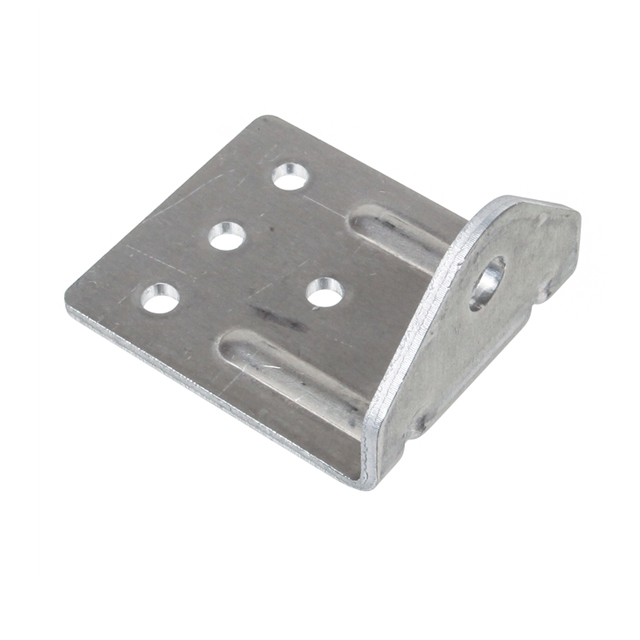
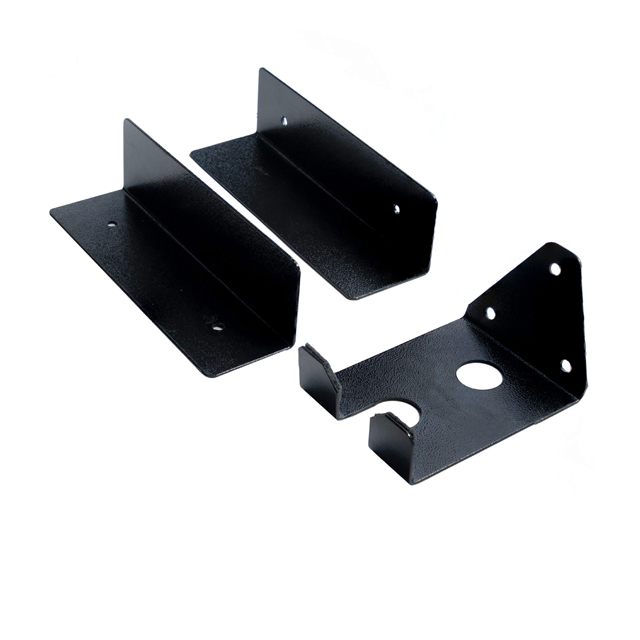
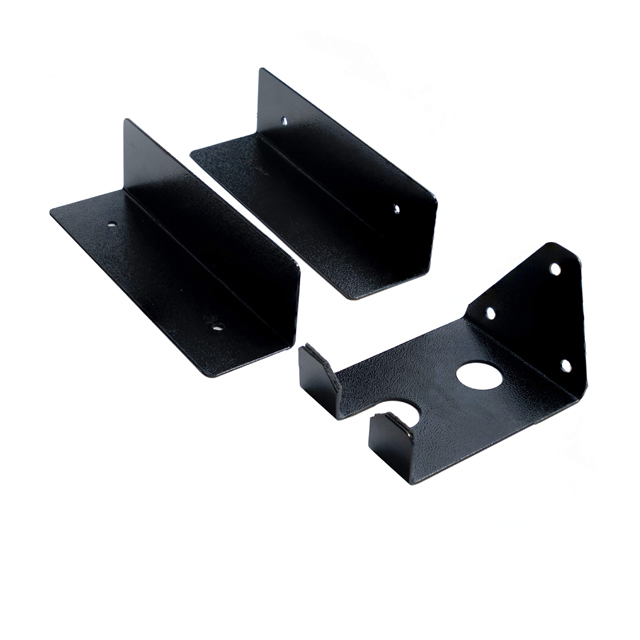
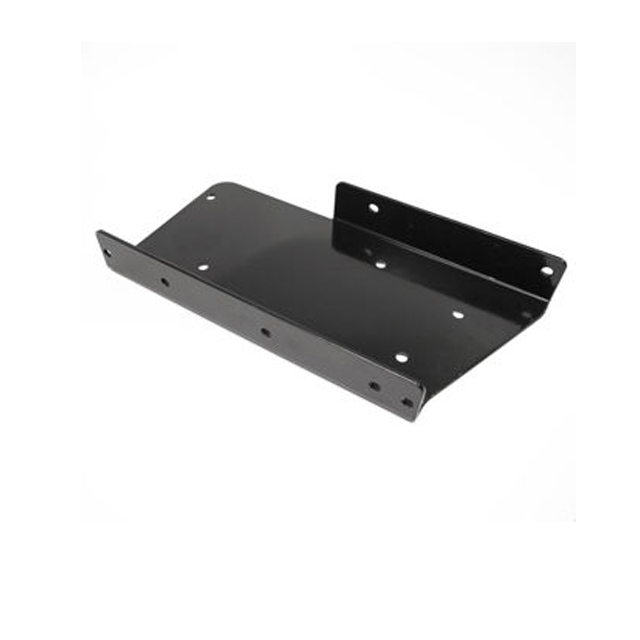
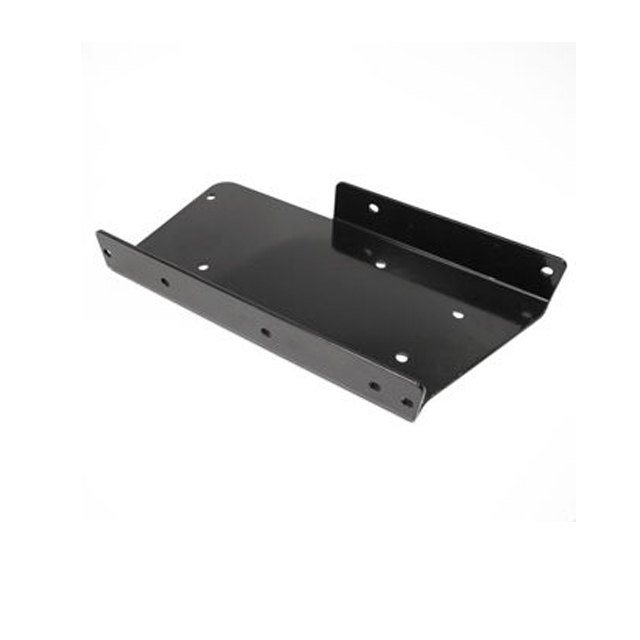
At present, there are many kinds of bending machines for sheet metal processing, which can be divided into mechanical (servo motor) and hydraulic types according to the way of rotation. The control system can be divided into simple manual bending machines, ordinary domestic digital positioning bending machines, and process control digital full-function bending machines. According to the action, the part can be divided into 4 axes, 8 axes, and 12 axes bending machines.
Sheet metal fabrication as the name implies is to uses sheet metal processing according to the demand to do needed items. There are a computer case cabinet, TV backplane, car shell, air conditioner shell, terminal integrated case, charging pile box, and so on.
1. Blanking:
There are a variety of blanking methods, refer to the workpiece after laser cutting or CNC punch cutting, shearing machine process. CNC blanking and laser cutting blanking can be used for thick and complex plate workpieces; the Shearing machine can be cut out of the larger shape of the workpiece length and width size; the Punch press can batch use punch press will workpiece shape and hole processing.
2, smoke hole
Hole pumping also called flanging, refers to the use of a die in the ordinary press or other stamping equipment on the workpiece to form a round hole edge up the process. Is in the pre-punch hole into a specified size the hole, so that the workpiece can tap teeth with more strength, generally used in the thickness of 1.5mm plate on the workpiece.
3, pressure riveting
Generally refers to the use of punch or hydraulic riveting machine riveting studs, riveting nuts, riveting screws, and other firmly riveting pressure on the workpiece process.
4, bending
Bending is the process of forming the workpiece by the bending machine with the bending bed and the related bending mold, which can strengthen the strength of the workpiece.
5, welding
Common welding processing types are two protection welding, argon arc welding, electric welding, robot welding, touch welding, etc., the process is mainly to two or more two parts together, to achieve the purpose of finished products or assembly accessories processing; Or the edge seam of a single part needs to be welded so that the bending edge is precise to increase the strength of the folding.
6, surface treatment
The surface treatment has phosphating skin film spraying powder, electroplating colorful zinc, chromate, paint, oxidation, and so on. After phosphating skin film, the workpiece can be electrostatic powder spraying, which is suitable for cold-rolled sheets and galvanized sheets. Electroplating colorful zinc is generally used for surface treatment of cold-rolled plates and machined parts; Chromate and oxidation are generally used for surface treatment of aluminum and aluminum profiles. Surface treatment is to make the sheet metal parts as a whole look beautiful and play a protective role in themselves, the specific surface treatment is based on customer material requirements.

Bergek CNC is a world-class manufacturing service provider in Shenzhen. We have advanced equipment to provide a full range of customized products to manufacturers around the world, specializing in CNC machining and sheet metal processing.
If you have any question,please contact us.

Copyright © 2026 SHENZHEN BERGEK TECHNOLOGY CO., LTD. - www.bergekcnc.com All Rights Reserved.