One-stop solution for Sheet Metal Fabrication & CNC Machining - Bergek CNC
Language
One-stop solution for Sheet Metal Fabrication & CNC Machining - Bergek CNC
Aluminum alloy has low density, high strength, and corrosion resistance. It is widely used in the processing and manufacturing of various parts, such as automobile wheels and aviation parts. Here we mainly talk about the five kinds of common processing technology of aluminum alloy parts in the processing.
This aluminum alloy product boasts five common technologies for parts processing that ensure high quality and precision. Its brand story highlights a commitment to excellence in materials and craftsmanship. The product features advanced processing techniques, durability, and a sleek design, making it a top choice for consumers seeking quality aluminum products.
At our company, our team strength lies in our collective expertise in aluminum alloy processing. Our skilled technicians are well-versed in the five common technologies used for producing high-quality parts. With years of experience and a commitment to excellence, our team is dedicated to delivering precision-engineered products that meet and exceed customer expectations. We work collaboratively to problem-solve and innovate, ensuring that every part we produce is of the highest standard. Trust in our team's strength to provide you with superior aluminum alloy parts that are crafted with precision and care.
At our company, we take pride in our exceptional team strength, especially when it comes to aluminum alloy processing. With a dedicated team of skilled technicians and engineers, we have mastered five common technologies for producing high-quality parts. Our team's collective expertise and collaborative approach ensure that every component we manufacture meets the highest standards of precision and performance. We work seamlessly together to innovate, problem-solve, and deliver superior products to our customers. Trust in our team's strength to bring your projects to life with excellence and efficiency.
Aluminum alloy has low density, high strength, and corrosion resistance. It is widely used in the processing and manufacturing of various parts, such as automobile wheels and aviation parts. Here we mainly talk about the five kinds of common processing technology of aluminum alloy parts in the processing.
1, aluminum alloy parts stamping processing: stamping is according to the shape and size of the required workpiece through the press and die on the plate, strip, pipe, and profile to exert external force, make it produce a plastic deformation or separation of the workpiece forming processing method.
2, aluminum alloy parts machining: the main car, milling, planing, drilling, grinding, and other general machine tools processing mold parts, assembled into a variety of molds. Aluminum alloy parts machining can also be called CNC precision machining or automatic lathe processing, CNC lathe processing, and so on.
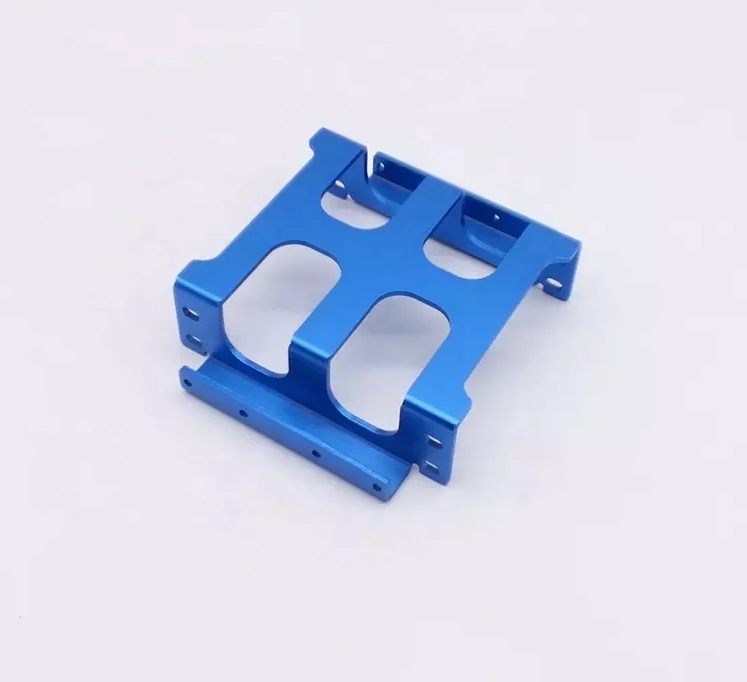
3. Precision casting of aluminum alloy parts: the parts obtained by this method generally do not need to be machined. Precision casting has higher shape and casting accuracy than traditional machining methods.
4, aluminum alloy parts powder metallurgy: powder metallurgy is metal powder as raw material, after mixing, molding, and sintering, manufacturing materials or products technology.
5, aluminum alloy parts injection molding: solid powder and organic binder evenly mixed, after granulation and then heated plasticizing state with injection molding machine injection mold cavity curing molding, with chemical or thermal decomposition method to shape the billet binder removed, through sintering densification to get the final product.
Bergek CNC is a world-class manufacturing service provider in Shenzhen. We have advanced equipment to provide a full range of customized products to manufacturers around the world, specializing in CNC machining and sheet metal processing.
If you have any question,please contact us.

Copyright © 2026 SHENZHEN BERGEK TECHNOLOGY CO., LTD. - www.bergekcnc.com All Rights Reserved.