One-stop solution for Sheet Metal Fabrication & CNC Machining - Bergek CNC
Language
One-stop solution for Sheet Metal Fabrication & CNC Machining - Bergek CNC
Custom sheet metal stamping is a process that involves using a machine to press or stamp a design or pattern onto a sheet of metal. This method is often used to create parts for a variety of industries, including automotive, aerospace, and appliance manufacturing.
Our OEM sheet metal stamping parts are custom-designed and produced to meet the specific requirements of our clients. With state-of-the-art equipment and techniques, we ensure high-quality and precise parts for various industries, including automotive and aerospace manufacturing. The versatility of our custom sheet metal stamping process allows for the creation of complex shapes and designs, making it a cost-effective and efficient option for large-scale production.
Team strength is a key component of our OEM Sheet Metal Stamping Parts production. Our dedicated team of skilled engineers and technicians work together seamlessly to deliver high-quality custom products that meet our customers' specific needs. With years of experience in the industry, our team has the expertise and knowledge to tackle even the most complex projects with efficiency and precision. By collaborating closely with our clients, we ensure seamless communication and timely delivery of product orders. Trust in our team's strength to provide you with reliable and cost-effective solutions for all your sheet metal stamping needs.
At our company, our team strength lies in our collective expertise and experience in sheet metal stamping. Our skilled professionals work seamlessly together to ensure the highest quality in customized production. With years of hands-on experience and a deep understanding of the industry, our team can tackle even the most complex projects with efficiency and precision. Furthermore, our team's dedication to innovation and continuous improvement ensures that we are always at the forefront of technological advancements in the field. When you choose our OEM sheet metal stamping parts, you can trust in the strength and capabilities of our exceptional team.
Custom sheet metal stamping is a process that involves using a machine to press or stamp a design or pattern onto a sheet of metal. This method is often used to create parts for a variety of industries, including automotive, aerospace, and appliance manufacturing.
There are many advantages to using custom sheet metal stamping for the production of parts. For one, it is a cost-effective method that allows for the production of large quantities of parts quickly and efficiently. It is also highly accurate, with minimal tolerance for error.
In addition, custom sheet metal stamping allows for the creation of parts with complex shapes and designs. The stamping process can be easily modified to produce a wide range of shapes and patterns, making it a versatile option for many different applications.
At our custom sheet metal stamping facility, we use state-of-the-art equipment and techniques to produce high-quality parts that meet the specific needs of our customers. We work closely with our clients to understand their requirements and ensure that the finished product exceeds their expectations.
If you are in need of custom sheet metal stamping parts, we invite you to contact us to learn more about our services and how we can assist with your production needs.
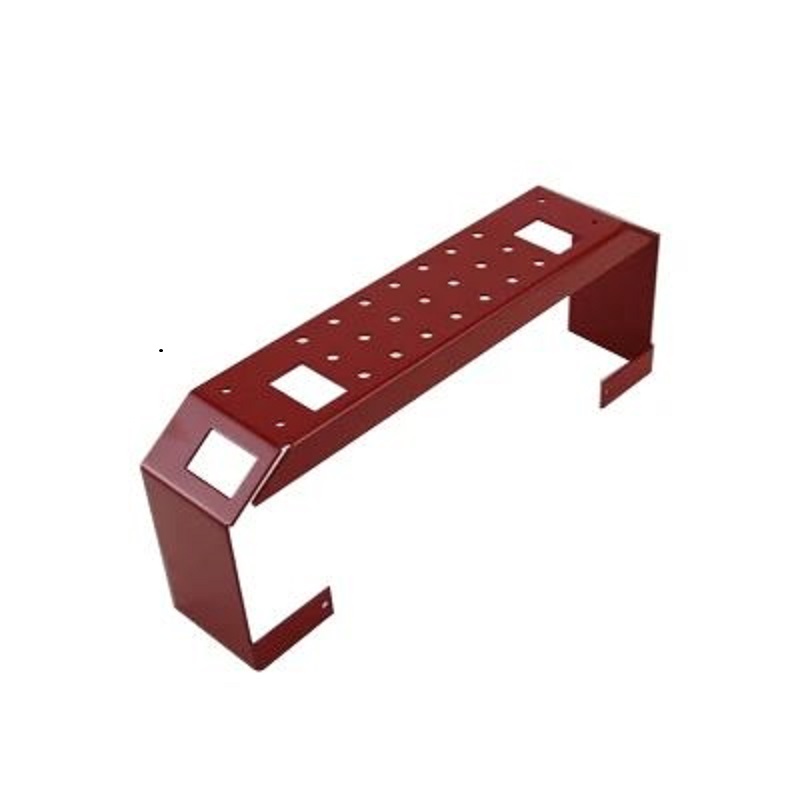
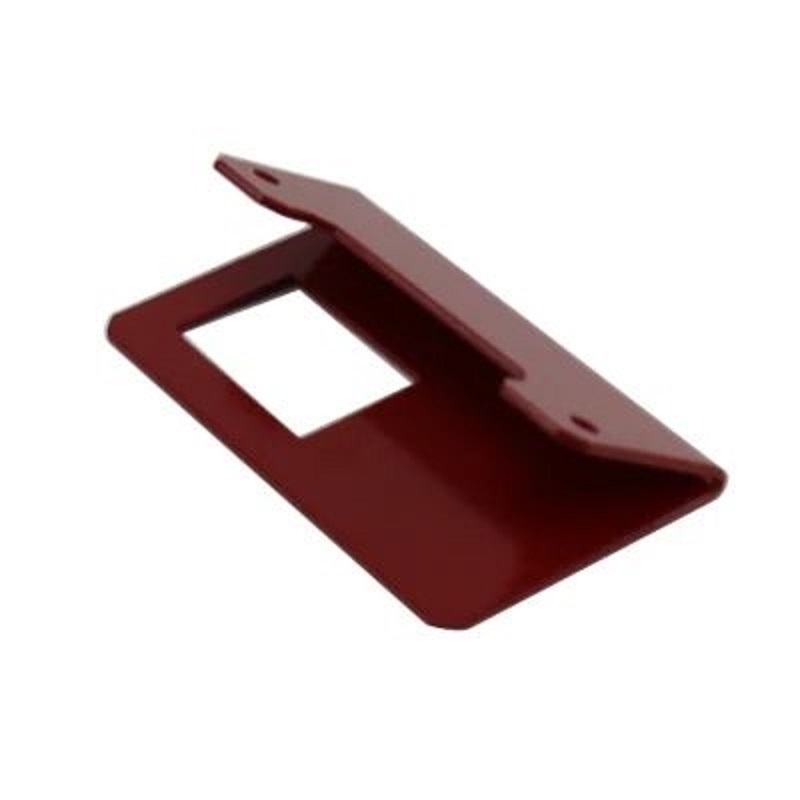
The process of customizing sheet metal stamping parts generally involves the following steps:
1、Design: The first step in the customization process is to create a design for the parts. This may involve working with the customer to understand their specific requirements and developing a design that meets their needs. The design should consider the intended use of the parts, the materials to be used, and any other relevant factors.
2、Prototyping: Once the design is finalized, a prototype of the parts may be created. This can be done through the use of computer-aided design (CAD) software or by physically constructing a prototype using the intended materials. The prototype is used to test the design and ensure that it meets the desired specifications.
3、Tooling: After the prototype is approved, the next step is to create the tools that will be used to stamp the parts. These tools, also known as dies, are custom-made based on the design of the parts. They may be made from materials such as steel or carbide and may be simple or complex, depending on the complexity of the parts.
4、Production: Once the tools are ready, the sheet metal stamping process can begin. This involves feeding sheets of metal through the stamping machine and using custom tools to press or stamp the parts to the desired shape and size. The finished parts are then inspected to ensure they meet the required specifications.
5、Finishing: Depending on the needs of the customer, the parts may undergo additional processing, such as anodizing, painting, or heat treatment. These finishes can enhance the appearance and functionality of the parts and prepare them for their intended use.
Bergek CNC is a world-class manufacturing service provider in Shenzhen. We have advanced equipment to provide a full range of customized products to manufacturers around the world, specializing in CNC machining and sheet metal processing.
If you have any question,please contact us.

Copyright © 2026 SHENZHEN BERGEK TECHNOLOGY CO., LTD. - www.bergekcnc.com All Rights Reserved.