One-stop solution for Sheet Metal Fabrication & CNC Machining - Bergek CNC
Language
One-stop solution for Sheet Metal Fabrication & CNC Machining - Bergek CNC
Hand plate project quotation needs to select the appropriate processing mode according to the characteristics of parts to complete the hand plate faster and better. At present, mainly engaged in handplant processing, CNC lathe processing, 3D printing, film, fast mold, and so on. Today we are going to talk about the difference between CNC lathe processing and 3D printing.
Our fast and precise CNC machining for aerospace parts stands out with its core attributes of high-speed operation and accurate knife cutting. The extended attributes include the ability to process a variety of materials such as metal, nylon, and resin powder. The value attributes of our CNC machining service lie in the ability to produce parts with complex structures and tight tolerances, ensuring high-quality aerospace components.
Our team of expert engineers and technicians at Fast and Precise CNC Machining is our greatest asset when it comes to producing high-quality aerospace parts. With years of experience in the industry, our team is dedicated to delivering precision and reliability in every component we manufacture. Our collaborative approach ensures seamless communication and problem-solving, resulting in efficient and timely production processes. By leveraging the diverse skills and expertise of our team members, we are able to consistently meet and exceed the stringent standards of the aerospace industry. Trust in our team's strength to deliver top-notch CNC machining services for all your aerospace needs.
At our company, our team strength lies in our expert CNC machinists who have years of experience in producing high-quality aerospace parts with fast and precise accuracy. With a deep understanding of the unique requirements of the aerospace industry, our team is dedicated to delivering superior products that meet the rigorous standards and regulations in place. Our collaborative approach and commitment to excellence ensure that every part we manufacture is of the highest quality, guaranteeing reliability and performance for our customers. Trust in our team's strength to provide you with top-notch CNC machining solutions for all your aerospace needs.
Hand plate project quotation needs to select the appropriate processing mode according to the characteristics of parts to complete the hand plate faster and better. At present, mainly engaged in handplant processing, CNC lathe processing, 3D printing, film, fast mold, and so on. Today we are going to talk about the difference between CNC lathe processing and 3D printing.
First, 3D printing is a material addition technology, CNC lathe processing is a material reduction technology, so they are very different in materials.
1. Differences in materials
3d printing materials mainly include liquid resin (SLA), nylon powder (SLS), metal powder (SLM), gypsum powder (full-color printing), sandstone powder (full-color printing), wire (D FM), plate (LOM), and so on. Liquid resins, nylon powder, and metal powder account for the vast majority of the industrial 3D printing market.
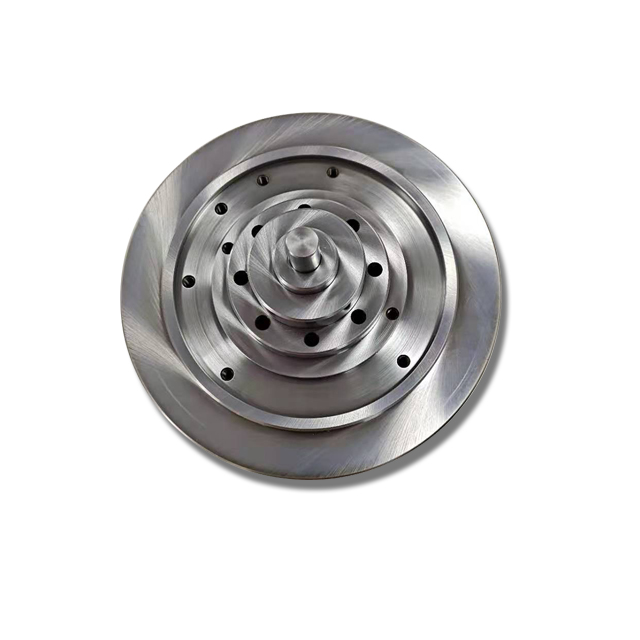
And CNC lathe processing materials are all a piece of plate, is the plate of the material, by measuring the length and width of the parts + consumption, and then to cut the corresponding size of the plate for processing. Numerical control lathe processing materials than the selection of 3D printing, general hardware, and plastic plates can be processed by numerical control lathe and forming parts density than 3D printing.
2. Parts differences caused by the forming principle
As mentioned earlier, 3D printing is a kind of additive manufacturing. The principle of 3D printing is to cut the model into N layers /N points and then stack it up one layer at a time/bit by bit in order, just like building blocks. Therefore, 3D printing can effectively process and produce parts with complex structures, such as hollow parts, while CNC is difficult to achieve hollow parts processing.
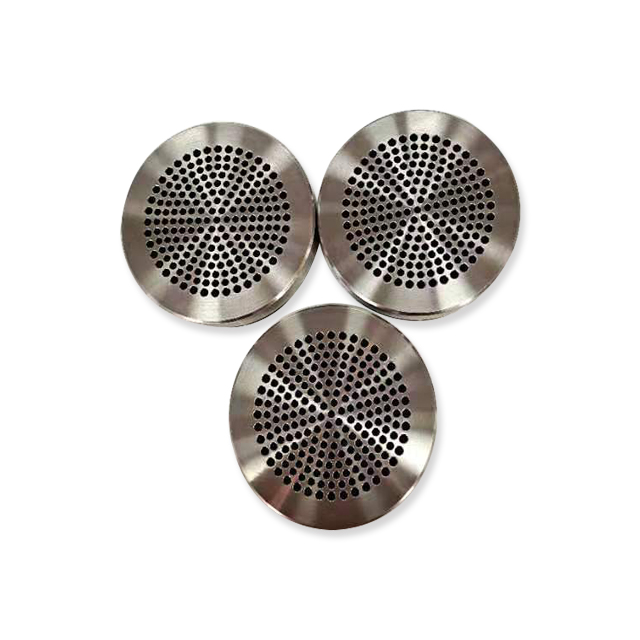
Numerical control is a reduction of material manufacturing, through the high-speed operation of a variety of tools, according to the programming knife cut out the required parts. Therefore, CNC lathe processing can only have a certain radian rounded corner, and can not be directly processed out of the Right Angle, through the line cutting/spark technology to achieve. The outer right Angle CNC lathe processing is no problem, so the inner right Angle parts can be considered to choose 3D printing processing production.
3. Differences in operating software
4. Differences in post-processing
There are few options for 3d printing parts after processing, generally grinding, oil spraying, deburring, dyeing, and so on.
And CNC lathe parts processing options, in addition to grinding, oil spraying, deburring, electroplating, screen printing, printing, metal oxidation, radium carving, sandblasting, and so on.
The above is the difference between our CNC lathe processing and 3D printing.
Bergek CNC is a world-class manufacturing service provider in Shenzhen. We have advanced equipment to provide a full range of customized products to manufacturers around the world, specializing in CNC machining and sheet metal processing.
If you have any question,please contact us.

Copyright © 2026 SHENZHEN BERGEK TECHNOLOGY CO., LTD. - www.bergekcnc.com All Rights Reserved.