One-stop solution for Sheet Metal Fabrication & CNC Machining - Bergek CNC
Language
One-stop solution for Sheet Metal Fabrication & CNC Machining - Bergek CNC
Turning is a method of cutting a workpiece on a lathe by rotating the workpiece relative to the tool. Turning is the most basic and common cutting method. Most workpieces with the rotary surface can be processed by turning methods, such as inner and outer cylindrical surfaces, inner and outer conical surfaces, end faces, grooves, thread, and rotary forming surface. Common lathes can be divided into horizontal lathes, ground lathes, vertical lathes, turret lathes, and imitation lathes, most of which are horizontal lathes.
The CNC turning aluminum parts offer a high processing efficiency, making it a cost-effective solution for turning various surfaces in a single clamping. With the flexibility to handle small batch production requirements, the CNC turning technology ensures good overall machining accuracy and high position precision between surfaces. Utilizing coated carbide, ceramic, or cubic boron nitride cutting tools enhances wear resistance, hardness, and durability, making it suitable for processing high hardness materials at high speeds.
At our CNC Turning workshop, our team's strength lies in our collective expertise and experience in efficiently processing aluminum. Our highly skilled machinists have a deep understanding of the material and cutting techniques needed to deliver precise and high-quality results. With a focus on teamwork and collaboration, we ensure that every project is completed with utmost precision and efficiency. Our team's dedication to continuous improvement and attention to detail sets us apart, guaranteeing that your aluminum parts are produced to the highest standards. Trust in our team's strength to deliver exceptional results for all your machining needs.
At CNC Turning, our team strength lies in our experienced and skilled professionals who excel in efficient aluminum processing. With years of expertise in the industry, our team is dedicated to delivering high-quality results, precision, and quick turnaround times for our customers. We work together seamlessly, utilizing our collective knowledge and innovative techniques to provide top-notch CNC turning services. Our team's commitment to excellence and attention to detail ensure that every project is completed to the highest standards. Trust in our team strength to fulfill your aluminum processing needs with precision and reliability.
Turning is a method of cutting a workpiece on a lathe by rotating the workpiece relative to the tool. Turning is the most basic and common cutting method. Most workpieces with the rotary surface can be processed by turning methods, such as inner and outer cylindrical surfaces, inner and outer conical surfaces, end faces, grooves, thread, and rotary forming surface. Common lathes can be divided into horizontal lathes, ground lathes, vertical lathes, turret lathes, and imitation lathes, most of which are horizontal lathes.
Due to the development of modern science and technology, a variety of high strength, high hardness engineering materials are more and more used, the traditional turning technology is not competent or can not realize the processing of some high strength, high hardness materials, but the modern hard turning technology makes it possible and in the production of obvious benefits.
(1) High turning processing efficiency
Turning has higher efficiency than grinding. Turning often uses large cutting depth, and high workpiece speed and its metal removal rate is usually several times that of grinding. A variety of surfaces can be finished by clamping at one time in turning, while many installation times are needed in grinding, so the auxiliary time is short and the position precision between the machining surfaces is high.
(2) Low cost of equipment input in the productivity of the same lathe investment is significantly better than the grinding machine, its auxiliary system cost is also low. For small batch production, turning does not require special equipment, while large batch processing of high precision parts requires good rigidity, positioning accuracy, and repeated positioning accuracy of CNC machine tools.
(3) suitable for small batch flexible production requirements lathe itself is a flexible processing method with a wide range of processing, lathe control is simple and fast turning clamping, compared with grinding hard turning can better adapt to flexible production requirements.
(4) Hard turning can make the parts get good overall machining accuracy
Most of the heat produced in hard turning is taken away by the cutting oil, which will not produce surface burns and cracks like grinding processing. It has excellent machining surface quality, and accurate machining roundness, and can ensure high position accuracy between machining surfaces.
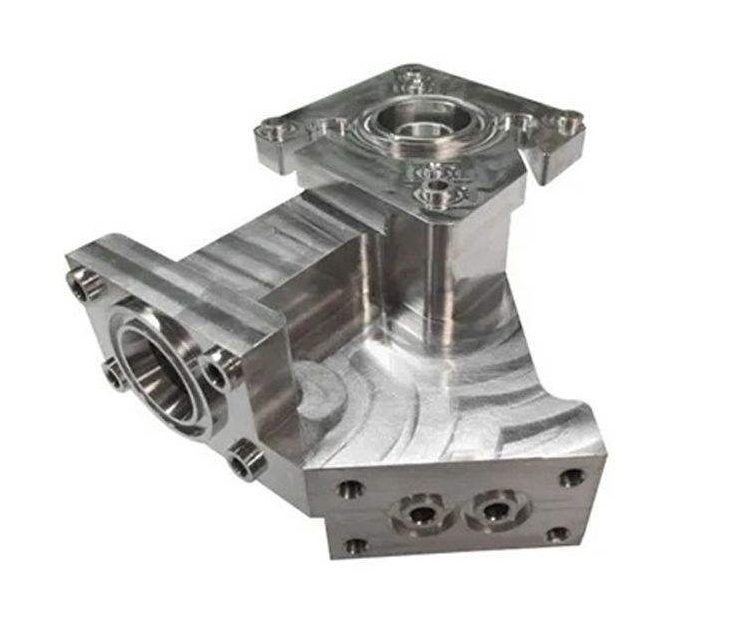
(1) coated carbide cutting tool
The coated cemented carbide tool is coated with a layer or multilayer coating with good wear resistance on the carbide tool with good toughness. The coating usually plays the following two roles: on the one hand, it has much lower thermal conductivity than the tool matrix and the workpiece material, which weakens the thermal effect of the tool matrix; On the other hand, it can effectively improve the friction and adhesion of cutting process and reduce the generation of cutting heat. Compared with cemented carbide tools, coated carbide tools have been greatly improved in strength, hardness, and wear resistance.
(2) ceramic material tool
Ceramic cutting tools have the characteristics of high hardness, high strength, good wear resistance, good chemical stability, good bond resistance, low friction coefficient, and low price. When used normally, the durability is very high, the speed is several times higher than that of cemented carbide, especially suitable for high hardness material processing, finishing processing, and high-speed processing.
(3) cubic boron nitride cutting tool
The hardness and wear resistance of cubic boron nitride are second only to diamond, and it has excellent high-temperature hardness. Compared with ceramic cutting tools, its heat resistance and chemical stability are slightly worse, but its impact strength and crushing resistance are better. It is widely used in the machining of hardened steel, pearLItic gray cast iron, chilled cast iron, high-temperature alloy, etc. Compared with a cemented carbide tool, its cutting speed can even be increased by one order of magnitude.
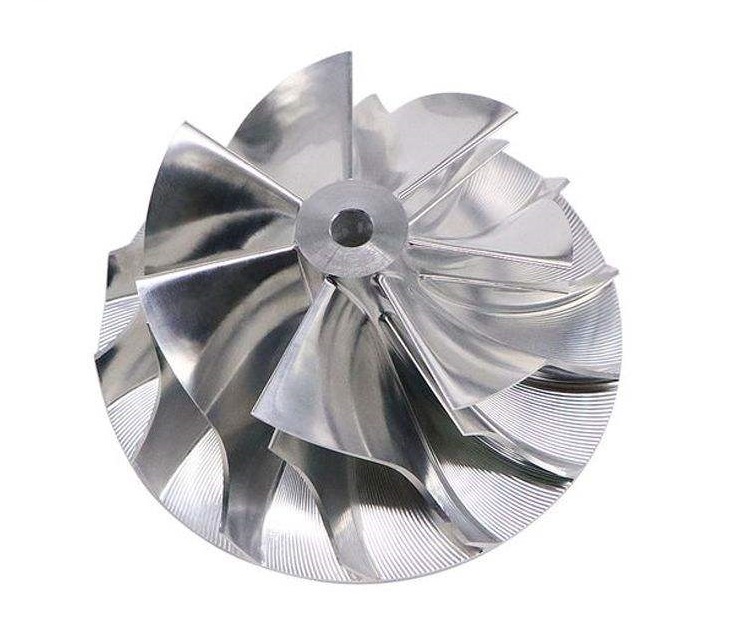
Bergek CNC is a world-class manufacturing service provider in Shenzhen. We have advanced equipment to provide a full range of customized products to manufacturers around the world, specializing in CNC machining and sheet metal processing.
If you have any question,please contact us.

Copyright © 2026 SHENZHEN BERGEK TECHNOLOGY CO., LTD. - www.bergekcnc.com All Rights Reserved.